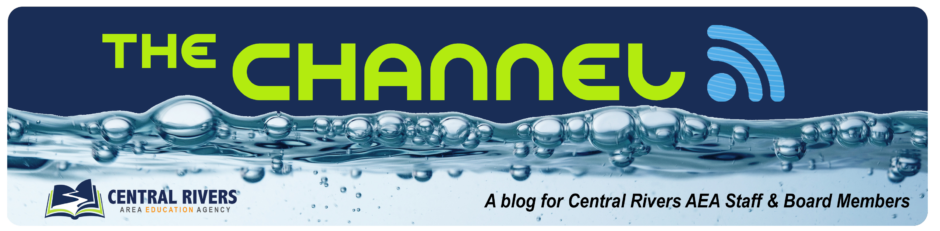
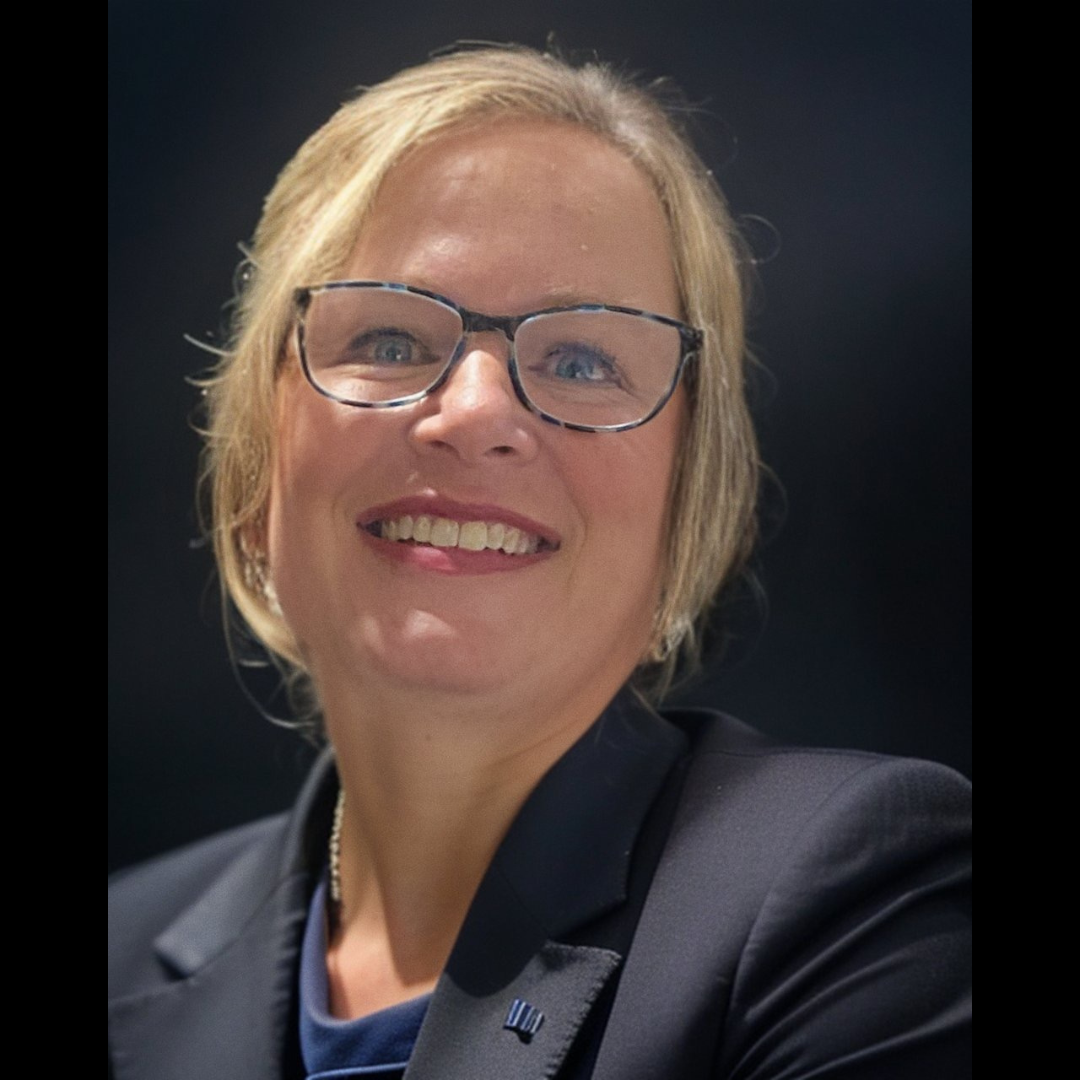
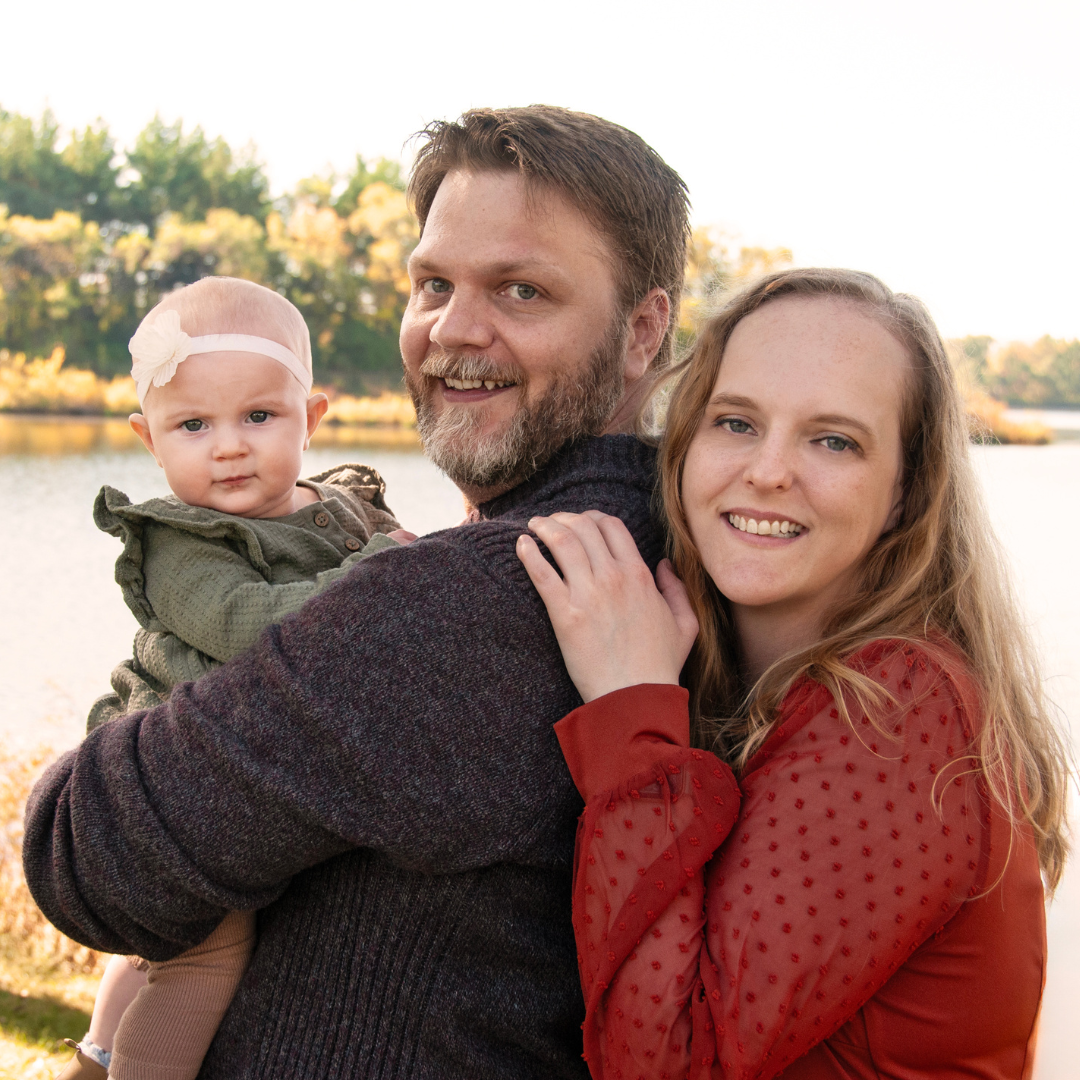
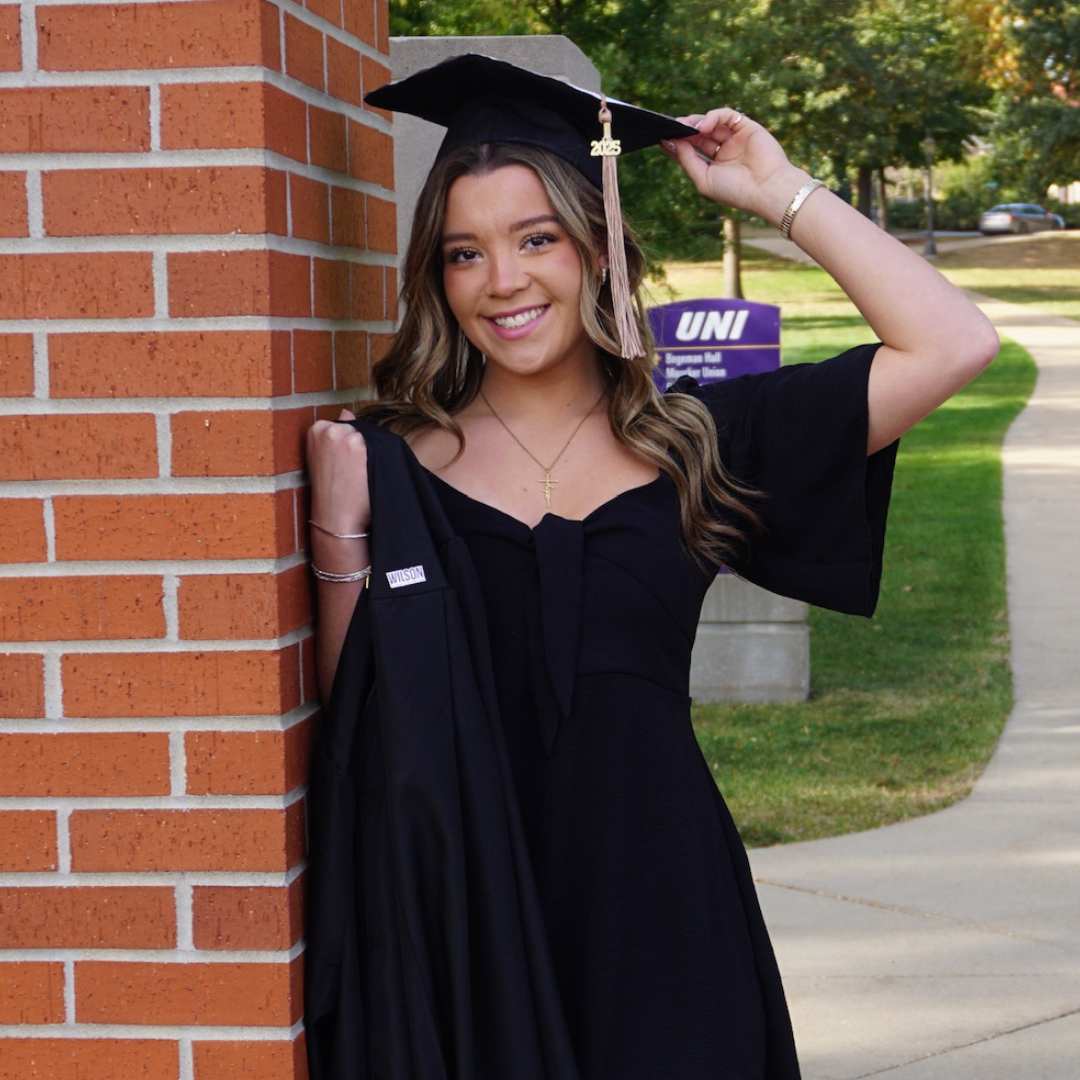
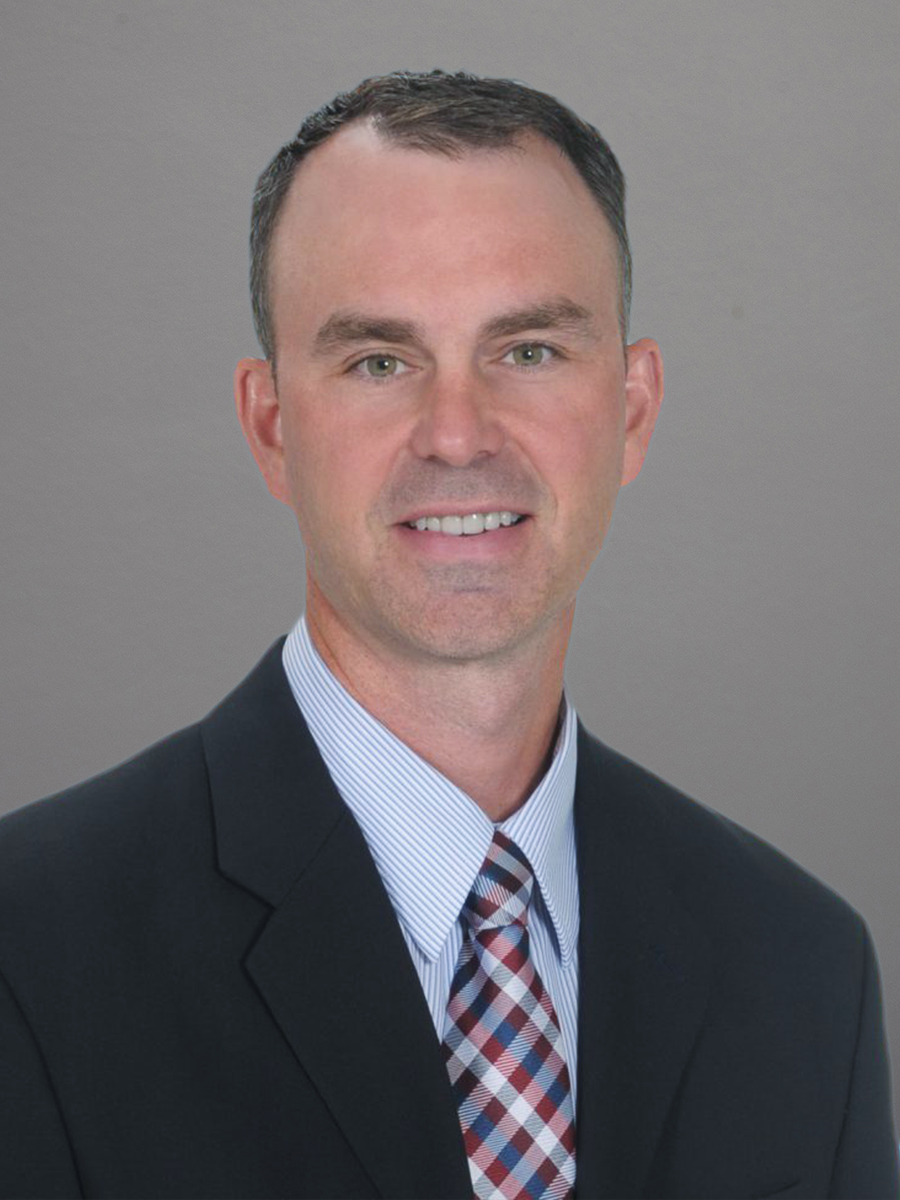
We would like to welcome an incoming school psychologist and speech-language pathologist for the 2025-26 school year!


We would like to welcome an incoming school psychologist and speech-language pathologist for the 2025-26 school year!


If you’re leaving the agency, please make sure to return all tech items issued to you during your employment. This includes:
Label each item with your name on a sticky note. If you have any questions, contact the Help Desk or call (319) 273-8231.
All Central Rivers AEA offices will be closed on April 18, in observance of Good Friday. Please update your voicemail and set an out-of-office email reply to let others know about the closure.
Hello, this is (your name). All Central Rivers AEA offices are closed on April 18 in observance of Good Friday. Please leave your name, number and a brief message and I will get back to you when offices reopen Monday, April 21. Thank you.
Thank you for your email. All Central Rivers AEA offices are closed on April 18 in observance of Good Friday. I will respond to your email upon my return when offices reopen on Monday, April 21. Thank you.
A communication about the Universal Protocol for Accommodations in Reading (uPAR) was recently sent to school leaders through Leadership Connections and Regional Administrators. We want to ensure you’re informed in case you receive questions from districts. If schools reach out with inquiries, please direct them to Sarah Nelson, Director of IT/Special Programs, or Tesha Moser-Zimmerman, Executive Director of Ed Services.
The Iowa Department of Education has procured uPAR for statewide use at no cost to districts, and Central Rivers AEA is offering support services to help districts implement uPAR and maximize its impact.
uPAR is a protocol that helps determine whether students comprehend text better through reading visually or listening auditorily. The uPAR can be administered to any or all students (Grades 3 and above) as part of the MTSS process.
Complete the District uPAR Deployment form to sign up for access to uPAR at no cost to your district. What support services does Central Rivers AEA offer to help districts implement uPAR and use its data to the fullest extent? We are offering a comprehensive uPAR Implementation Support Package. See the flyer for package pricing and details.
Central Rivers AEA recognizes that artificial intelligence (AI) can help improve educational services and make work more efficient. AI tools can automate tasks, provide helpful insights and streamline processes — but they also raise concerns about data privacy and security. To help staff use AI responsibly, the agency has put together clear guidelines.
AI tools are changing how we work, but they come with risks. Protecting sensitive information, especially student and staff data, is a top priority. These guidelines will help you understand how to use AI tools safely while maintaining privacy and security.
If you’re unsure about using an AI tool or have questions about security, reach out to the technology team. By following these guidelines, we can make the most of AI while keeping our data safe. If you have any questions, contact the Help Desk or call (319) 273-8231.
Voice-controlled technology is making life easier and more accessible for people with disabilities. Devices like smart speakers and virtual assistants (Amazon Alexa, Apple Siri, Google Assistant) allow users to control lights, adjust the temperature, manage schedules, and make calls – without needing to press buttons or use touchscreens.
Beyond convenience, these tools enhance safety. Voice commands can set alarms, call for help, or contact emergency services in case of a fall. They also work with Augmentative and Alternative Communication (AAC) systems, helping individuals with speech or mobility challenges communicate more effectively.
As these technologies improve, they continue to expand independence – handling tasks like reading messages, managing smart home systems, and providing real-time health updates. With ongoing advancements, voice-controlled devices are opening new doors for people with disabilities, making everyday life more accessible and empowering.
Check out these articles for more examples of how voice-controlled assistive technology can support individuals with disabilities.
One key idea in Universal Design for Learning (UDL) is giving students different ways to show what they know. Standard tests, like written exams, don’t always capture every student’s abilities. Using flexible assessments helps create a more inclusive classroom where all students can succeed.
You don’t need to completely change your curriculum to use flexible assessments. Start small by giving students a choice in how they complete one assignment, then adjust based on their feedback. This approach helps students stay engaged, feel supported and have a fair chance to show what they’ve learned.
Check out these articles for additional information on flexible assessment in the UDL model.
Struggling to find time for your well-being? In just 30 minutes on April 15, join a small group for Express Coaching and gain clear action steps to tackle a challenge – big or small. Three sessions are available throughout the day. Sign up online for the time that works for you!
Central Rivers AEA is offering a $250 incentive for staff who complete one INspired Leadership micro-credential. Choose from:
All are available in our On-Demand Library. Submit your evidence for review by Dr. Leslie Moore. Need help? Schedule a 15-minute session with Dr. Moore.

Take a moment on April 23 to recognize our incredible office support team for Administrative Professionals’ Day! Their hard work keeps the agency running smoothly and helps ensure everyone has what they need to succeed. We couldn’t do it without them!
May is Mental Health Awareness Month! The Iowa’s Healthiest State Initiative Mental Health Awareness Month Toolkit is available for download. Central Rivers AEA is a Make It OK organization. Wear green on May 15 to show your support for Mental Health Awareness Month!
Mental illness affects one in five Americans – more than diabetes or left-handedness. It can impact anyone, yet stigma keeps many from seeking help. The Make It OK campaign encourages open conversations to change that. The sooner someone gets support, the better their chances of recovery.
Mental illnesses are treatable, just like physical conditions such as diabetes. When we talk openly about them, we create a culture of understanding and support. Not sure what to say when someone shares their experience? Try some of these responses:
For more ideas on what to say, visit https://makeitok.org/.
One way to help is by taking the Make It OK pledge. By signing, you commit to speaking up against stigma and encouraging open conversations. Print it, share it and keep it visible as a reminder to be part of the change.
Reminder – extended school year updated process: To improve how services are documented, a new process for AEA support staff providers will be used this year. All providers must complete the Google Form by April 25 to identify students eligible for ESY. This memo explains the ESY expectations and should be reviewed before filling out the form. Please mark your calendar to complete this on time and avoid repeated reminders. ESY services are part of your regular contract, so plan your schedule accordingly to ensure coverage. If you have any questions, contact your regional administrator.
Documenting AEA services & activities: This video was created after gathering input from more staff. Please take a few minutes to watch this overview (you may be able to speed it up to 1.5x). This topic will be discussed further during discipline meetings in the fall. Here is a link to the document for anyone who would like to take notes.
Recruitment update: The hiring process continues for qualified candidates to join the special education team. There are still openings for SLPs, School Psychologists, School Social Workers and Special Education Consultants (PK-12). Efforts are also underway to post positions for BCBAs. If you know strong candidates for any of these roles, please encourage them to apply. River Hills School is also hiring teachers and paraeducators. It offers a supportive environment and a great opportunity to develop expertise in working with students with significant disabilities.
LEA admin updates: Please check out the April updates so you know what we’ve shared with them.
Action steps/key points: Everyone with an active account in the Iowa Education Portal (EdPortal) has received an email regarding the transition to using Okta (id.iowa.gov) instead of A&A when logging into EdPortal beginning April 7, 2025. Next steps:
Have questions? Contact EdPortal support at (515) 725-2040 or visit https://portal.ed.iowa.gov/.
*An additional note that is not listed in the email, the portal will likely be down from sometime on April 4 (the exact time not confirmed) until it comes back up on April 7 with the Okta login. A notification will be posted in EdPortal closer to the date but we know sometimes folks work on IEPs over the weekends, so wanted to let people know. If someone has an April 7 meeting, it may be best not to wait until that weekend to work on it.
Live documents, helpful resources and guides can be found on our staff website.
End of third quarter: The third quarter ended on March 31, and all Harvest entries should be up to date, with March entries completed by April 8. Third-quarter reports are expected to be sent to schools by late April.
Professional development approvals: The Iowa Department of Education provided feedback on the PD entries from the second window. An updated list of approved PD is available on the Iowa Department of Education website.
Implementation science follow-up: During the Educational Services meeting, the team discussed implementation science in greater depth, with several members expressing interest in a podcast for further learning.
Thank you for all you do for our area students, schools and the agency. You are appreciated.
Live documents, helpful resources and guides can be found on our staff website.
On March 19, Central Rivers AEA will be switching to a unified Zoom platform used by all Iowa AEAs. Here’s what you need to know:
If you do not have SMS, voicemail or Zoom Chat information to download, the transition will happen without the need to save any information.
Remember that all voicemail messages are delivered to your email, so if you are saving these emails, you likely do not need to download them. If you choose to download any messages, please do the following:
Chat and SMS messages cannot be downloaded in the same manner as voicemail messages. To save these items, you must copy and paste the content from Zoom into another format, such as a Google Doc or a text editor on your computer, like Notepad.
At this time, we are not sure if Personal Contacts or Whiteboards will be transferred to the new Zoom tenant. If you wish to download these items, you may do so following these instructions:
Zoom contacts include a list of Company Contacts (on by default), Cloud Contacts (if you have synced with your Google Contacts), and Personal Contacts (if you have created any). If you have created any Personal Contacts, you can download them to a csv file and open them in Google Sheets.
Whiteboards can be downloaded from their web page.
A few helpful resources are available from Zoom:
Thank you for your patience during this update. If you have any questions, please reach out to the CRAEA Help Desk for assistance.
We would like to welcome five incoming Central Rivers AEA School Psychologists for the 2025-26 school year!


If you want additional Zoom learning, visit the Zoom Learning Center for additional feature training and information.
(Zoom Doc AI was used to assist in writing this article!)
Technology is constantly evolving to make daily life easier, and some of the most exciting advancements are designed to help individuals with disabilities navigate the world more independently. AI-powered wearables like Ara assist visually impaired users in moving through their surroundings, while Apple’s AirPods Pro 2 now function as hearing aids for those with mild to moderate hearing loss.
Mobility solutions such as the Atalante X robotic exoskeleton and smart home safety devices like Nobi’s fall-detecting lamp are giving people more freedom and security in their daily lives. Accessible smartphones and dual-format reading platforms like Xigxag are also making information and communication more widely available.
Curious about the latest innovations in assistive technology? Check out these articles to learn more: (Article 1; Article 2).
Explaining Universal Design for Learning (UDL) can sometimes feel challenging, but a new resource from Katie Novak and her team at Novak Education makes it easier. They’ve created a simple infographic that helps break down UDL in a clear and practical way.
Whether you’re introducing UDL to a teacher or looking for a quick way to explain its benefits, this visual tool can help. Check out this blog post to access the infographic and learn more about how UDL supports all students.
Video games bring entertainment, social connection, and even therapeutic benefits – but traditional controllers can be a challenge for players with disabilities. Fortunately, the gaming industry is making big strides in accessibility.
Microsoft’s Xbox Adaptive Controller and Sony’s Access Controller for PlayStation offer customizable setups to fit different mobility needs. Companies like 8BitDo, along with organizations like AbleGamers and SpecialEffect, are helping developers create more inclusive gaming experiences. Innovations such as voice commands, eye-tracking controls, and haptic feedback are making games more accessible than ever.
With adaptive controllers breaking down barriers, gaming is truly becoming an experience for everyone.
Many of us have heard students say, “I’m a visual learner” or “I learn best by doing.” But research shows that fixed learning styles aren’t real. In You’re Not a Visual Learner After All…The Truth About Learning Styles, Katie Novak explains that what really matters is learner variability – the idea that students’ strengths and needs shift based on context.
Instead of tailoring instruction to supposed learning styles, we can help students:
By fostering adaptability and a growth mindset, we prepare students to be lifelong learners. Want to learn more? Read the full article and check out Katie Novak’s podcast, The Education Table.
Would you like support in getting more of what you want and less of what you don’t in your personal or professional life? If so, Central Rivers AEA offers 1:1 core energy leadership coaching sessions with certified well-being coach, Dr. Leslie Moore, via Zoom. All sessions are confidential and scheduled by you when you send Leslie a Google Calendar invitation. Just select “private” on the calendar invite. Reach out to Dr. Leslie Moore with questions.
This year, Central Rivers AEA is continuing to support staff well-being by offering a $250 incentive for completing one of three INspired Leadership micro-credentials! The options are:
All of these are available in our On-Demand Library, and submissions will be reviewed by Dr. Leslie Moore. If you have any questions or need help signing up, free free to schedule a quick 15-minute session with Dr. Moore by sending her a calendar invitation!